How Joining a University Club Can Save You from Unemployment
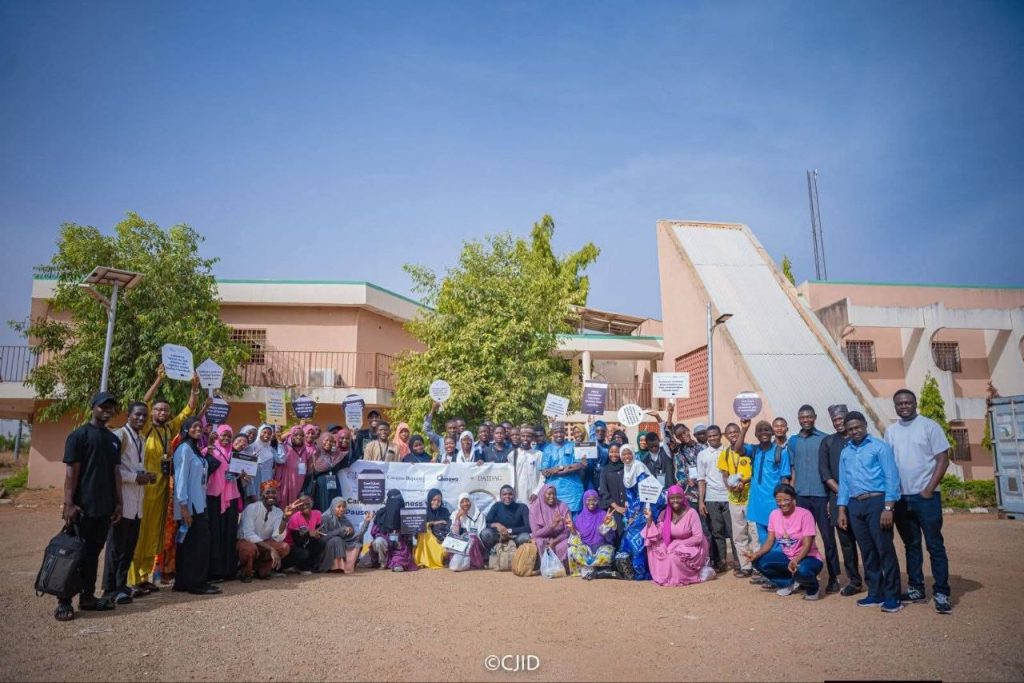
When people ask for a horror story, our minds drift to ghosts, haunted houses and zombies. But the scariest story is of a student who passed through the university without allowing the university to pass through them, chased grades but overlooked growth and never seized the opportunity that was right in front of them.
The most expensive lie Nigerian youth were told is the illusion that a degree alone is enough. For years, they were told to study hard, graduate with excellent grades and success will naturally follow. Somewhere between graduation and NYSC camp, the truth starts to unravel.
There’s a deafening silence as no one comes knocking. Instead, thousands of graduates clutch the certificates they earned by burning the midnight candle while endlessly scrolling through job vacancies under the scorching sun, only to find entry level positions that demand five years of experience. Reality barges in unannounced, settles without permission and every graduate is left asking the million dollar question; What did I do wrong?
Nigeria’s unemployment crisis is one of the defining stories of this generation. Universities continue to produce hundreds of thousands of graduates every year, yet the labour market creates only a fraction of the jobs needed to absorb them.
In typical Nigerian fashion, parents urged their children to “learn a skill.” Tailoring, barbing, shoemaking, baking, photography and graphic design became the new insurance policies against an uncertain future. While these professions have transformed lives and lifted countless families out of poverty, another uncomfortable truth quietly emerged. If everyone becomes an entrepreneur, who becomes the customer?
A generation ago, a first-class degree could open almost any door. A bachelor’s degree was enough to change an entire family’s economic story. As competition increased, master’s degrees became the advantage. Today, even highly qualified graduates often struggle to secure opportunities because academic excellence alone is no longer enough.
The rules of the game have changed. Employers increasingly seek graduates who can communicate effectively, solve problems, work in teams, manage projects and lead people. Ironically, these are abilities rarely measured in examination halls. Preparation is no longer measured solely by a Cumulative Grade Point Average (CGPA). It is measured by your ability to think critically, collaborate with others, adapt to challenges, communicate ideas and build meaningful relationships.
The face of success in Nigeria has changed. While previous generations often looked to billionaires like Dangote who had inherited privilege, GenZ has embraced a different model. They admire the likes of Hilda Baci, a chef who transformed her passion into a global brand through creativity, consistency and storytelling; Veekee James; who built a fashion empire from a skill many people already possessed and Prudent Gabriel who owns one of Nigeria’s most recognized fashion academies. Their stories are different, yet they share one lesson, Opportunity only meets preparedness.
The same principle quietly unfolds on university campuses every day. Walk through Usmanu Danfodiyo University, Sokoto, and you will discover two kinds of students.The first attends lectures, writes examinations, graduates, and begins searching for direction.While the second attends the same lectures but also spends evenings covering events as a campus journalist, organizing conferences, leading student associations, debating national issues, volunteering during medical outreaches, managing budgets, writing proposals, coordinating teams, designing publicity campaigns and building networks.
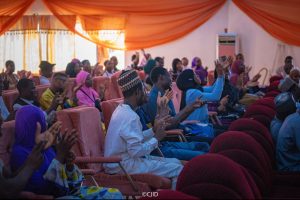
Both graduate with certificates but only one graduates with experience. Many UDUS graduates have already built remarkable careers before collecting their certificates, making their mark nationally and internationally because they invested themselves in campus activities beyond the classroom.
The difference is rarely intelligence. It is exposure gained from joining a club in the university. A journalism club teaches students to investigate facts, write persuasively and communicate with clarity. Debate societies cultivate confidence and analytical thinking. Literary and poetry clubs nurture creativity. Volunteer organisations help develop empathy, teamwork and project management skills in their members. Student associations expose young people to budgeting, negotiation, conflict resolution and leadership under pressure. These experiences become invisible qualifications long before they appear on a résumé.
When recruiters ask candidates about leadership, communication or teamwork, they are rarely asking for textbook definitions. They are asking one simple question: Have you ever done this before? Students who actively participate in campus organisations already have an answer.
Opportunities often travel through people before they appear as job advertisements. The employer who recommends you tomorrow may remember the conference you organised, the article you published, the outreach you coordinated or the team you successfully led. Long before your certificate speaks, your reputation has already introduced you.
A university is more than lecture halls or examination rooms. It is a furnace where character is refined, a workshop where confidence is built and a rehearsal stage for adulthood. Every club meeting, every committee assignment and every volunteer project quietly shapes the graduate employers hope to find.
So, the next time you think of a horror story, think of a student who spent years waiting for an opportunity to knock, only to discover they had walked past it every single day.