Inside UDUS Hostels Where Regulations Leave Students At The Mercy of Charcoal Usage, Driving Nigeria’s Deforestation Crisis
By Rasheedat Abidiesin
At exactly 6:30am., in a small hostel corner inside one of the hostels of Usmanu Danfodiyo University Sokoto (UDUS), Kifayat Salmon is already awake with heavy eyes. She bent over a small charcoal stove, fanning the stubborn charcoal that refuses to catch fire. Her pot of water is still the same, unmoved by her urgency. By 8:00am., she must be in the faculty of law.
But the fire has its own timing.
For the 200-level law student, cooking with charcoal has catapulted from a daily routine to something that offers no comfort, thanks to the high cost of kerosene, which according to her, is above her financial standard.
“Waking up by 6:00am. became the price to make sure I meet up with my everyday 8-4 lectures. I wouldn’t want to be late to class so I have to wake up early,” she told Digest Press.
Cooking with charcoal has never been her choice. It’s simply the last resort after every other means of cooking is out of reach. Yet, the last resort, charcoal, being used by many has now become way too expensive. The sudden increase of a nylon of charcoal from N200 – N400 has further pushed students like Kifayat into more woes.
Nigeria’s rising inflation is one of the forces pushing this quiet hardship. According to the National Bureau of Statistics, the country’s inflation rate increased to 15.38 percent in March 2026, up from 15.06 percent in February, ending an 11-month slowdown.
Food prices, which affect students’ daily survival, climbed to 14.31 percent, while transport costs rose even more sharply to 16.9 percent. On a monthly basis, prices jumped by 4.2 percent, the highest increase since January 2025.
“But even when you can afford to use gas, most students, including me, have no choice because of the rules of the school… don’t permit the usage of clean energy like cooking gas which is stress free.
“Adapting to charcoal is not easy but because there’s no other option, our choices are limited,”Kifayat stated.
This is not only Kifayat’s experience. Across Usmanu Danfodiyo University Sokoto (UDUS), hundreds of students living in the school hostels face the same reality. Due to the school regulations imposed in 2021, the usage of cooking gas and other faster contraband cooking alternatives is prohibited to prevent fire outbreak. The only widely permitted option is charcoal.
What used to be the cheapest and most accessible cooking method has now become increasingly expensive, quietly turning into a burden for the very students who depend on it the most.
For many, the problem is not just the rising cost. It is the time, the stress, and the physical effort required to use charcoal, especially for students juggling tight lecture schedules. In UDUS where faster and cleaner options have been restricted, survival has now become more expensive.
The Fire Incidents Stretching UDUS Students Current Struggles
Over the last five years, UDUS has witnessed devastating fire outbreaks that have resulted in significant loss of properties, a report by Digest Press, one of the campus pressboards in UDUS disclosed. Some of these incidents occurred in the school owned hostels, private hostels, and the school mini-market. This has left deep scars on students, businessmen, and staff. These fire outbreaks are majorly caused by illegal wire connections, electrical faults, hotplates, gas cookers, and a lack of emergency preparedness.
In 2021, a fire outbreak razed nearly six shops in the Jubril Aminu Hostel Mini-market. Waste burning was reported to be the cause of the fire outbreak. It destroyed valuable items belonging to students, including laptops, rugs, and clothing materials, among other things. The report added that the Federal Fire Service, Sokoto, responded promptly, but their efforts were hindered by interference from onlookers.
Also, in 2022, a significant fire outbreak caused by an insecure electrical connection affected four rooms in DV female hostel. It destroyed foodstuffs, clothes, gadgets, and credentials among others.
In March 2025, a similar incident occurred in Block A of Jubril Aminu Hostel. An illegal wire connection is said to have sparked the devastating fire outbreak. Students narrowly escaped, but lost valuable possessions, including clothes, books, mattresses, and many more.
Also, in June 2025, a fire broke out in the Porter office at Jubril Aminu Hostel. The incident was reported to have destroyed official documents, a refrigerator, chairs, and electrical components, among others. The cause of the fire remains under investigation, with some speculations linked to faulty electrical wiring or confiscated gas cylinders.
Forced Adjustment
For Maridiyah, a 100 level student, the shock came immediately when she was told she wouldn’t be able to use a gas cylinder in the hostel.
Before resuming school, her mother had carefully placed a new gas cylinder among her belongings to provide for her conduct. A comfort that never made it to her hostel room.
“My reaction when I found out that it’s charcoal I’m going to be using was so disheartening…hearing that a gas cylinder isn’t allowed really saddened my heart,” Maridiyah lamented.
Like other students, she also adjusted. However, the adjustment came with a price
“I starved a lot,” she admitted.
Charcoal: the Expensive Last Option
For Alabi Ismail Habeebullahi, a 200 level sociology student, cooking with charcoal doesn’t just inconvenience him; it’s unreliable.
“I’m not comfortable using charcoal but I have no choice, the delay and the struggle to meet up for 8-10 classes is another thing too. I have lost count of the days I went to 8am lectures with an empty stomach because I can’t use charcoal,” he said.
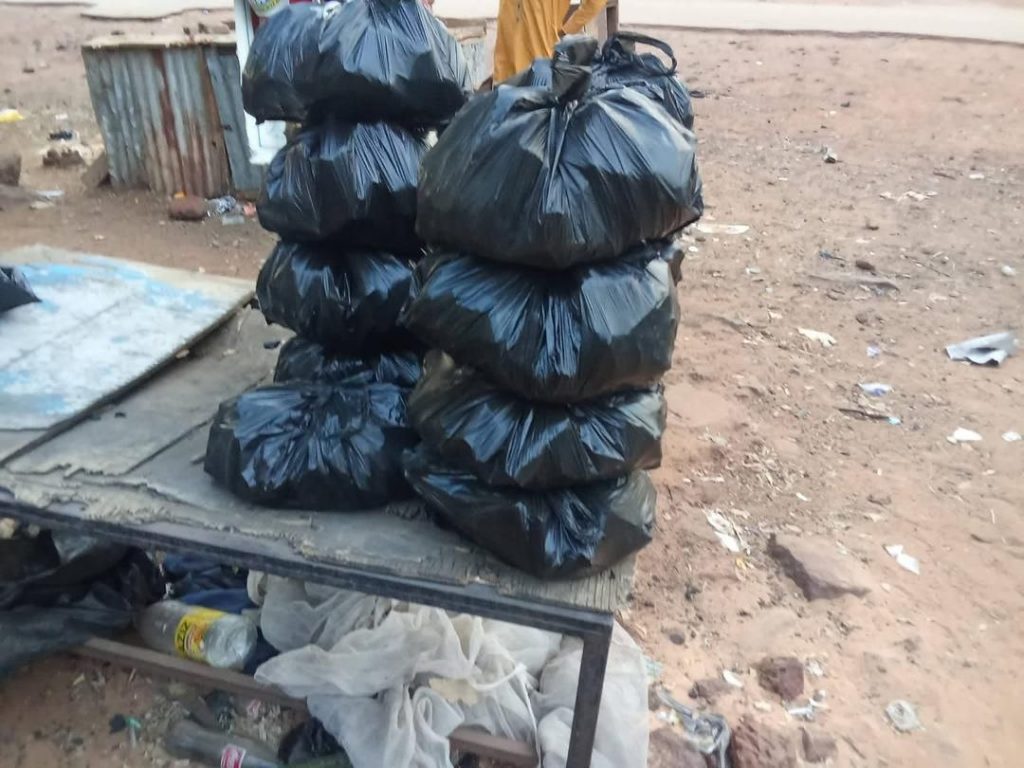
According to him, the price difference is also another shocking thing. He told Digest Press that the same charcoal he always buy at home ranges between N100- N200, but it’s N400 in Sokoto which is even small and not too good.
“The complaints are justified”—UDUS charcoal vendors.
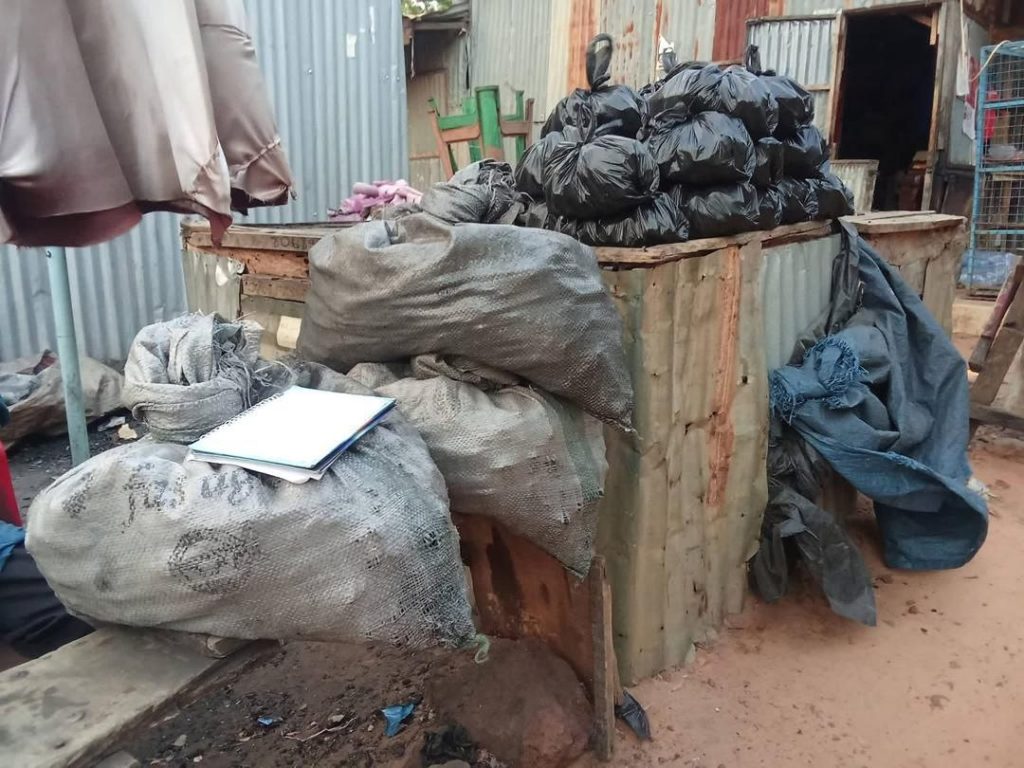
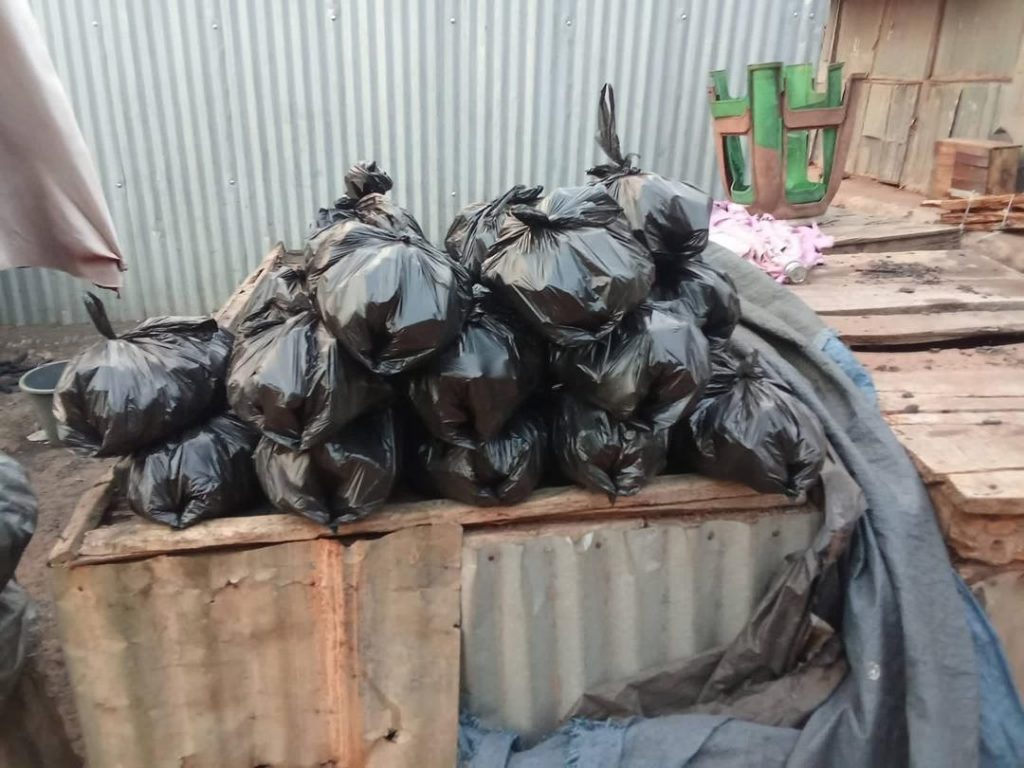
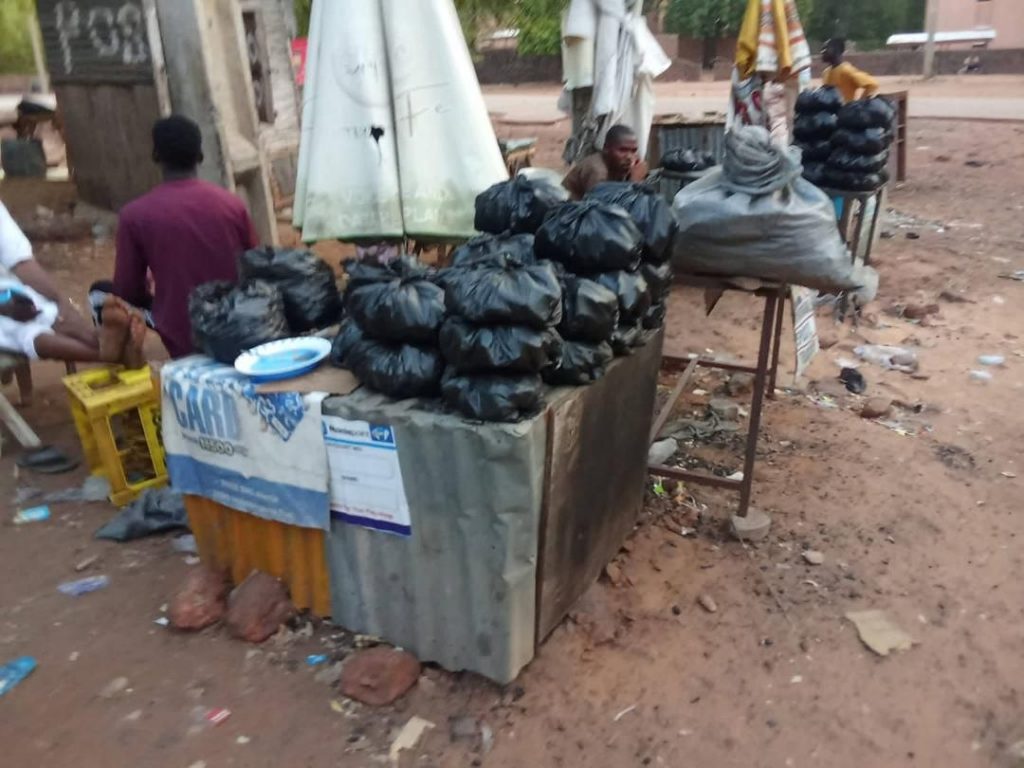
When Digest Pressapproached one of the charcoal sellers around the Jubilee Aminu hostels, about the soaring prices of kerosene and charcoal, Badamosi Adamu, acknowledged that the fault is but from the vendors, even though the students are right to complain.
“The students’ complaints are well justified but it’s not our fault too, imagining buying 50 bags of charcoal and realizing that most of them are bad, I have to sell them like that to make my money back,” he explained.
Badamosi also pointed out that charcoal is not only expensive, but the quality has also dropped, as many of the charcoal bags arrive half burnt or ineffective, which always force the sellers to either choose between making a loss or passing the loss to the buyers.
Beyond Campus Struggle
According to a report by TheGuardian Nigeria, over 20 million Nigerian households continue to rely on firewood and charcoal for cooking. For families already battling rising food prices and transport costs, buying a gas cylinder is often out of reach.
For a standard 12.5kg cylinder, households now pay between N12,500 and N15,000 for refills, while the cost of acquiring a cylinder has risen sharply and averaging at about N80,000, a figure higher than the Nigerian minimum wage.
Like students, they turn to charcoal. Not because it is cheap, but because it is the only option they can afford in bits.
Meanwhile, this growing dependence is quietly creating another crisis. According to a report by Nairametrics, millions of Nigerians still rely on biomass fuels for cooking. According to Nairametrics, over 70 percent of rural households in Nigeria depend on it as their primary source of cooking energy.
Speaking on this trend, Pius Oko, Country Project Lead at the Africa Coalition for Sustainable Energy & Access, warned that this heavy reliance comes with serious consequences.
“Over 70% of rural households rely on firewood for cooking, exposing women and children to serious health risks,” he said.
Oko explained that the continued use of firewood and charcoal contributes to respiratory diseases, environmental degradation, and long-term health complications, especially for those constantly exposed to smoke in poorly ventilated spaces.
Data from Global Forest Watch, a platform developed by the World Resources Institute in partnership with the University of Maryland, shows how serious the situation has become.
Between 2001 and 2024, Nigeria lost about 1.4 million hectares of tree cover, with over 250,000 hectares of natural forest disappearing in 2024 alone.
Expert Insight
Yishau Rahman, a public health expert from Environmental Health Services, Ona Ara Local Government, Oyo State, explained the environmental effects of deforestation.
In his words, “Forests are home to countless plant and animal species. When trees are cut down, habitats are destroyed, which leads to extinction or displacement of wildlife. Trees absorb carbon dioxide through the process of photosynthesis. When forests are removed, carbon dioxide remains in the atmosphere, contributing to global warming.”
He added that trees hold soil together, and without them the soil becomes loose and is easily washed away, reducing land fertility. He also noted the increasing risk of flooding.
Yishau also explained ways to reduce deforestation. According to him, there are many ways to reduce deforestation. “Afforestation and deforestation, forest conservation laws, alternative energy sources, agricultural improvement, public awareness and education.
“Agroforestry and sustainable agriculture can be used. Instead of cutting down forests, there are smarter and more sustainable alternatives that meet human needs while protecting the environment,” he said.