SHIELD Nigeria Hosts Mental Health Summit, Advocates More Mental Health-Centered Discussions
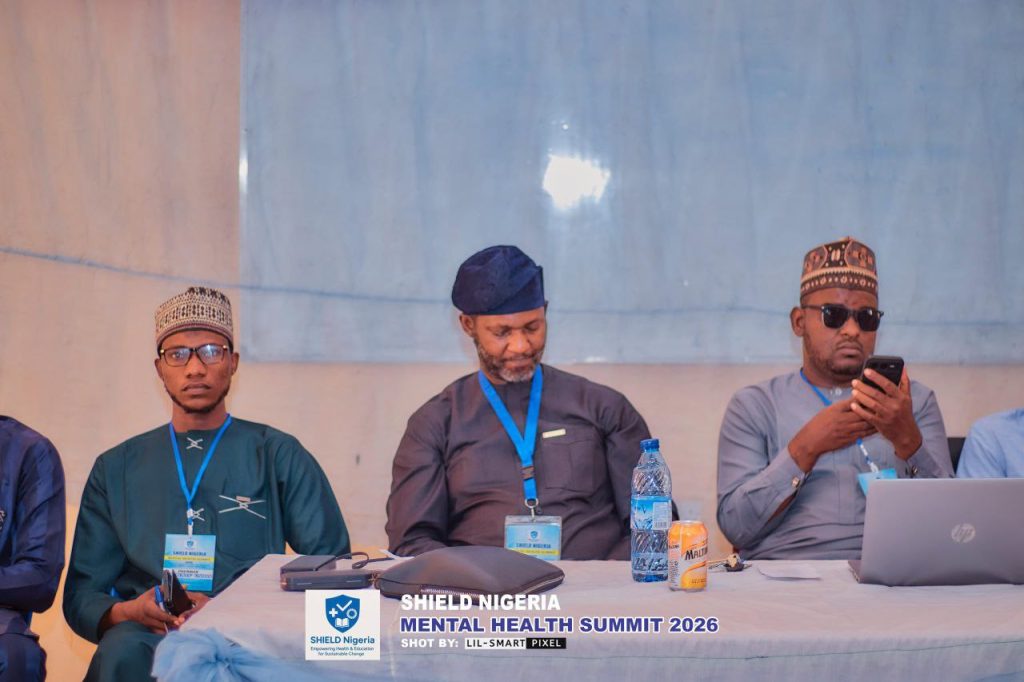
SHIELD Nigeria, on Saturday, 7th of February, 2026 organized a mental health summit themed “Promoting Mental Wellbeing and Sustainable Mental Awareness Among Young People” at the Multipurpose Hall 3 of the Usmanu Danfodiyo University, Sokoto.
The summit, attended by undergraduates, graduates and post graduate students was held in the identification of the mental health crisis as one of the latest contemporary issues.
The keynote speaker, Professor Bakare Abdulfatai, a consultant Psychiatrist at the Usmanu Danfodiyo University Teaching Hospital in his discourse, stated that mental health helps support coping with stress, problem solving and contribution to society. He further stated that peer pressure, cyber bullying, family conflicts are few of the factors that contribute to mental health crisis.
“Social withdrawal, bad sleeping and feeding habits, declining academic focus are some of the causes of the mental health crisis” he stated. “One needs to maintain a high level of digital wellness, and have a very good and healthy daily routine”, he said while providing solutions.
“Mental health is not just an issue but a very critical one that must be paid attention to as it leads to other health complications. Institutions and communities must prioritize mental health as a critical component of holistic development,” he said, conclusively.
In an interview with one of the panelists in the panel discussion session of the summit, Sebiotimo Abdullateef explained that the conversation is relatable, especially with the larger audience of the summit being medical students.
“As medical students, we are trained to care for others, yet many time we struggle to extend that same care and compassion to ourselves.”
“Many medical students experience stress, anxiety, fear of failure, burnout and academic pressure. We fight silent battles while still trying to succeed academically and professionally,” he concluded.
Speaking on the motivation behind the summit, Abdullateef Abdullahi, the Executive Director of SHIELD Nigeria, said, the Mental Health Summit was organized in response to the growing mental health challenges facing young people.
“While there are many conversations around other physical health which mental health could risk even causing them, we observed an increasing urgency to create open, youth-led discussions around mental wellbeing, helping young people thrive both within academic spaces and beyond.”
“We recognized that many young people struggle in silence due to stigma, lack of awareness, and limited peer support systems. Mental health conversations are becoming more urgent within our communities, yet many youths still lack access to relatable education and platforms where they feel heard and understood, he further added.

“Through this summit, we aimed to create a safe and inclusive environment that encouraged honest dialogue, increased awareness, reduced stigma, and empowered young people with practical coping strategies and knowledge to support their overall wellbeing, bringing them together to learn from professionals, young advocates, civil society and other institutions working in this aspect.”
Huzaifah Abubakar, Director of Education and Advocacy in his opening remarks, emphasized why mental health should be prioritized. He further stated in his speech that education is beyond certificate as we should be an advocate in creating more awareness on the importance of mental health.
Speeches were also given by various youth leaders who addressed the audience on mental health related issues with the Chairman of SU-CTC, Comr. Tasiu Aminu promising to take a step on making mental health initiatives a reality on campus.
Speaking further on the expected outcomes of the summit, Abdullateef Abdullahi stated, “the summit was designed to move beyond awareness toward meaningful youth empowerment and sustainable action. We aimed to create a safe and inclusive space where young people could openly discuss mental health and wellbeing while gaining practical insights from professionals, mentors, and peer leaders.”
On follow-up plans after the summit, he shared their plan to build on the momentum of the summit through continued youth engagement and follow-up initiatives.
“We have planned activities such as peer-led mental health awareness campaigns, capacity-building sessions, community outreach programs, leadership and advocacy training, and collaborative projects with partner organizations and institutions and others.”
“Our goal is to ensure that the conversations initiated during the summit translate into long-term impact, sustained support systems, and stronger youth-led solutions within communities,” he concluded.
The summit witnessed active participation from attendees through an interactive Question and Answer session. A cross section interview with them indicated the summit was educative and at the same time enlightening.